


How Microaggressions and Everyday Racism Affect Mental Health (and What Helps)

Building conversations around all aspects of what has meant to be Black in America through time creates space to talk honestly about the emotional weight many people still carry today. Not just from major acts of discrimination, but from the quieter, everyday moments that add up over time. We’ve spoken about intergenerational trauma and inequality, and this year we’re turning our focus to the mental health effects of microaggressions as we explore the relationship between everyday racism and mental health.
This blog is for you if you want to better understand the correlation between everyday racism and mental health, or if you’re looking for help coping with microaggressions. The goal is not to shame or lecture, but to help you navigate the mental health effects of microaggressions by learning more. Let’s get into it.
What are microaggressions, really?
Microaggressions are subtle forms of bias that communicate stereotypes or assumptions, often without malicious intent. Someone might comment on how “articulate” a person is, question where they are “really from,” or dismiss concerns about racism as being overly sensitive. Each moment on its own may seem small, but the impact comes from repetition.
Microaggressions are part of everyday racism, and for many people, they are a regular source of stress. Over time, the mental health effects of microaggressions can be significant. What makes microaggressions especially painful is that they are easy to deny. When someone speaks up, they may be told they misunderstood or took things the wrong way. This can lead people to doubt their own experiences, stay silent to avoid discomfort, or feel pressure to manage other people’s reactions instead of their own feelings. When these moments happen repeatedly, the nervous system stays on high alert. That constant state of vigilance takes a toll.
How do microaggressions affect mental health over time?
The mental health effects of microaggressions tend to build gradually, according to research. Many people describe feeling emotionally exhausted, on edge, or hyperaware in social and professional spaces. This constant scanning for safety can drain energy and focus, making it harder to rest, connect, or feel fully present.

Over time, you might begin to notice that you’re wrestling with:
- Increased anxiety or irritability
- Feelings of sadness, numbness, or hopelessness
- Social withdrawal or avoiding particular environments
- Difficulty trusting others or feeling understood
- A sense of isolation, even in relationships
- Physical symptoms like headaches, muscle tension, or fatigue
But it’s important that you know: these reactions are not a personal failing. They are normal responses to repeated stress and invalidation. When you’re constantly navigating bias, even in subtle forms, your mental health may be impacted whether or not others acknowledge it.
Why Black History Month is a meaningful time to have this conversation
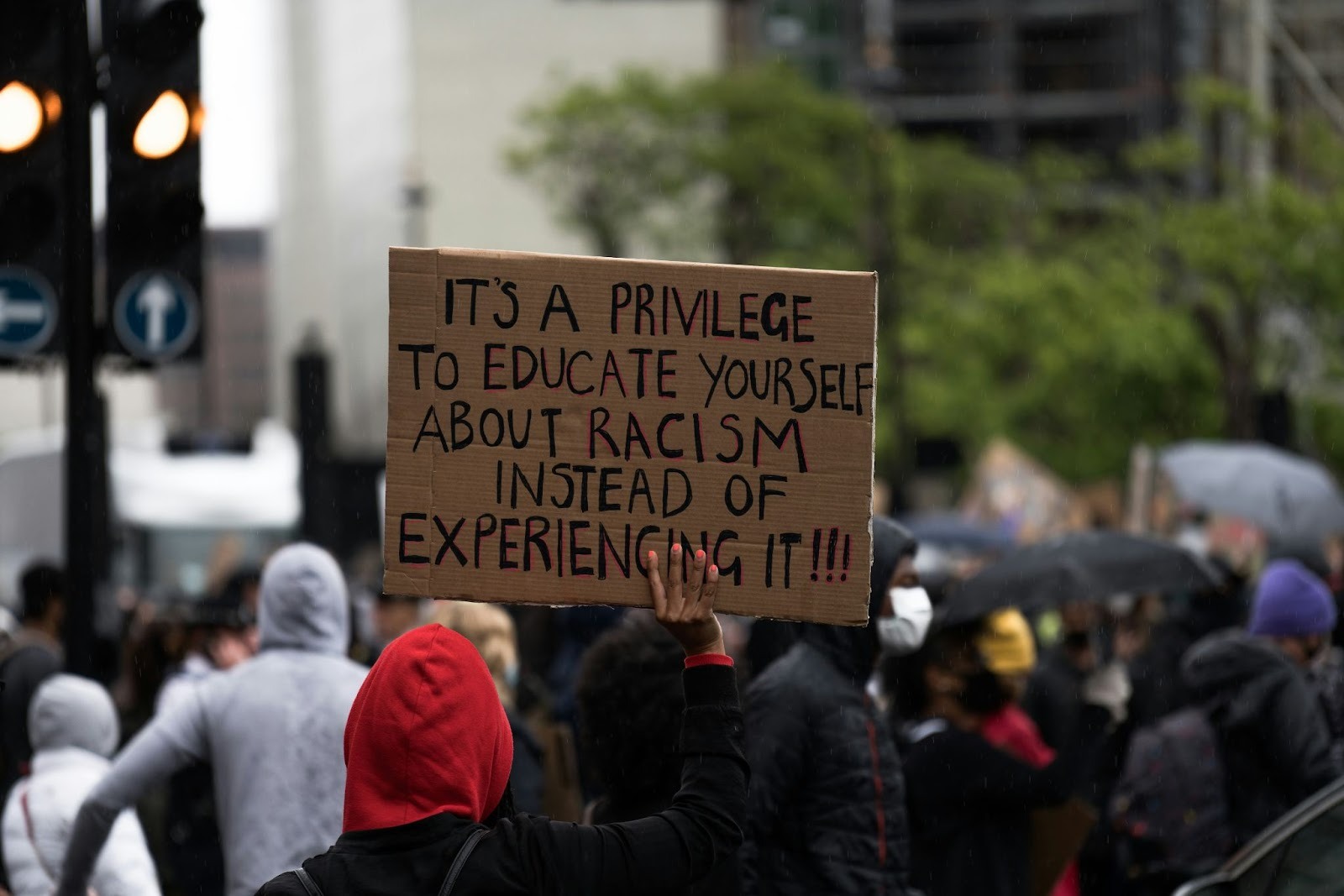
Black History Month invites reflection on both progress and reality. Honoring history also means acknowledging the present day experiences of being Black in America that continue to affect mental health. Conversations about racism are often framed as political or divisive, but at their core, they are about human wellbeing.
Talking openly about microaggressions helps validate experiences that are too often dismissed. For allies, this month can be an opportunity to listen more carefully and take responsibility for how their words and actions impact others. Supporting mental health means being willing to hear how everyday interactions affect people, even when that feedback feels uncomfortable. Awareness is not the final step, but it is a necessary one.
How can I respond to microaggressions without creating more conflict?
Many people want to address microaggressions but worry about being perceived as combative, or playing into stereotypes like the angry Black woman. Coping with microaggressions does not always mean confronting every moment directly. It means choosing responses that protect emotional health while aligning with personal values.
Some supportive approaches include:
- Naming the impact rather than assigning blame, such as saying how a comment landed emotionally
- Asking clarifying questions to gently challenge assumptions
- Setting boundaries around conversations that feel harmful or dismissive
- Seeking support from trusted people who validate lived experience
- Working with a therapist to process racial stress and build coping strategies
For allies, one of the most helpful things you can do is stay open. When someone shares that a comment or behavior was hurtful, listening without defensiveness matters. Intent does not negate impact, and validation can be deeply healing.

How therapy can help support healing
Therapy offers a space to talk openly about the stress of everyday racism without needing to explain or justify it. It can help people make sense of emotional reactions, strengthen boundaries, and reduce the internal pressure to minimize their own experiences.
Therapy can also support those who want to be more effective allies. Understanding how microaggressions affect mental health leads to better communication, healthier relationships, and greater empathy.
If microaggressions or everyday racism are affecting your mental health, you do not have to carry that weight alone. Support is not about fixing you. It is about creating space to heal, reflect, and feel understood.
Whether you are navigating difficult family dynamics, workplace stress, or the emotional toll of repeated invalidation, therapy can help you build clarity and resilience. If you are ready to talk, we invite you to reach out and begin that conversation with support and care.