


The Impacts of AI: How to Manage AI Anxieties

AI is changing a lot about our world, and those changes are happening in uncertain, uneven, unforeseen, and as-yet undecided ways.
Your doctor, your bank, your job, your email provider, and even friends and family may all be incorporating AI into your life. People are using LLMs to do their jobs, to choose outfits, to phrase conversations, to create dating profiles, to tweak their photos, and even to serve as companions, therapists, and life coaches.
You might even be scanning this article right now, looking for telltale signs of AI-speak to see if it’s even worth your time to keep reading. (I promise I am a human writing this! With a half-finished, forgotten cup of coffee on my desk, sitting with terrible posture in my chair, like all good blog writers.)
The explosion of AI means more uncertainty and more AI anxiety
When we think about anxiety, it’s an attempt by your body and mind to prepare you for a problem so you can respond quickly. Your nervous system is trying to keep you alert. But when you find yourself on high alert a lot of the time, with a racing heart, racing thoughts, insomnia, irritability, difficulty making decisions, and more, anxiety stops being helpful and starts making your life harder.
For most people, uncertainty is anxiety-inducing, and AI is increasing uncertainty in many ways. When you don’t know what’s next and you’re left questioning whether what you’re looking at or hearing is true, whether your data is being protected, and what your future holds, it’s no wonder more and more people are dealing with AI anxiety.
Common AI anxieties, and how to address them, from a therapist’s perspective
Uncertainty about job security in the present and the future is a real fear
Industries are changing fast because of AI, and that is escalating job insecurity and anxiety for many people. People are dealing with:
- Trying to integrate AI tools into work, with varying success, leading to wasted time and headaches for many employees.
- Layoffs increasingly blamed on AI.
- Trying to plan a career, with no clear roadmaps as to what the future landscape looks like for many industries.
The solution: Use mindfulness and small, meaningful actions to remind yourself of your own agency
“What if” is hard to manage because it’s not here and now. When you’re feeling anxious over your job security, we suggest two things:
First, try mindfulness. Use visualization, meditation, breathing exercises, or a simple body scan to bring yourself back to the present moment. Let your thoughts and feelings come and go; don’t argue or try to label them as “good” or “bad.” Notice what’s happening around you and within you.
Next, think about small, concrete things you can do today to remind yourself of what you can control. Anxiety and uncertainty can leave us feeling helpless, or like we have to solve everything RIGHT NOW, or disaster will strike.
Taking small steps to improve your life can give you a sense of agency, reminding your body and mind that you are doing something and that you don’t have to do everything right this second.
When your anxiety is making your heart race over a potential layoff, ground yourself with mindfulness and then:
- Update your resume, or find a new skill course to take for work
- Look for volunteering opportunities in your community
- Reach out to a friend to check in
- Take the first step toward a hobby or activity you’d always wanted to try
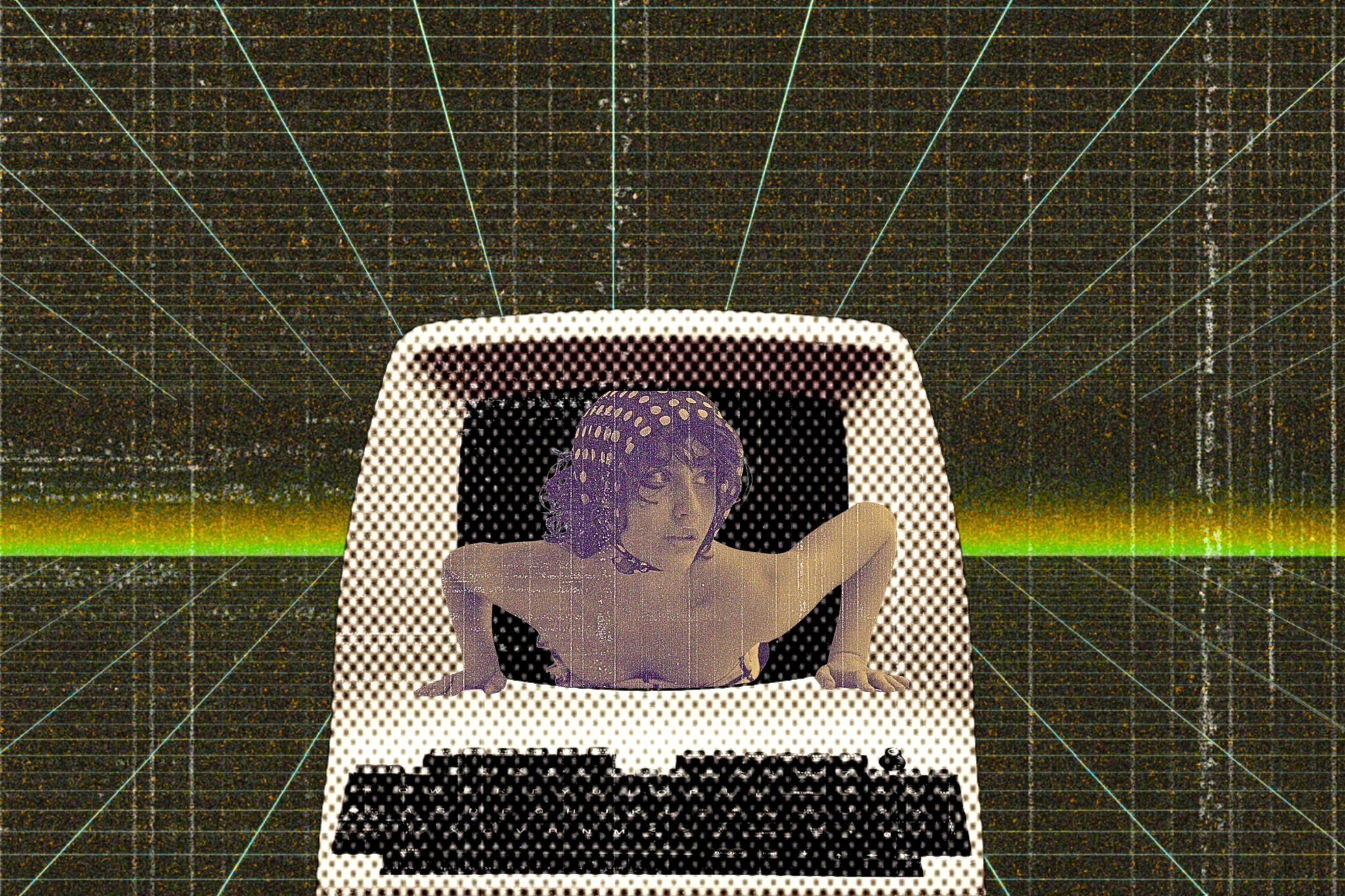
Mental health impacts of AI interactions can have real consequences
Access to mental healthcare in Illinois is unequal and insufficient, and to bridge the gap, many Chicagoans are reaching out to LLMs as a more affordable way to talk about their life. GPTs are acting as therapists, friends, and partners, and they’re having real impacts on mental health.
AI agents are not trained therapists, and they’re not qualified to give thoughtful, evidence-based mental health advice. They’re only as useful as their training data and programming allow them to be.
LM models have shown significant and troubling bias against certain mental health conditions, and LLM behavior has made mental health crises worse for many people, even triggering or deepening delusions for some (aka “AI Psychosis”). If you ask the right questions, an LLM can guide you through a suicide attempt, even in models with guardrails against such questions.
LLMs are designed to be agreeable, which means they can feed into maladaptive and toxic behavior patterns. Instead of challenging you to reflect through thoughtful conversation like those you would have with a therapist, an LLM may simply reinforce behaviors that are already disrupting your life.
When people get used to “frictionless” interactions with LLMs, where there’s no real accountability or give-and-take, normal interactions with friends, family, and therapists can start to feel stressful. Avoiding interpersonal interactions by seeking out LLMs can escalate anxiety.
LLMs are also not strictly confidential. Your chat logs are being held by the company that owns the LLM, and whatever you share is subject to their privacy policy. These policies can be randomly updated and often require you to opt out of data sharing instead of opting in, leaving you uncertain about how protected your chats are.
The solution: Seek out trusted, real-life sources for mental health support, social interaction, and community
Therapy success hinges most on a high-quality “therapeutic alliance.” This is the relationship between a therapist and their client, where mutual trust, openness, respect, and safety are created. An LLM can’t provide any of those.
When you’re looking for mental health support in Chicago, look for a qualified therapist who is ready to answer your questions honestly, who knows that you deserve confidentiality, and who can help you face AI anxiety without feeding into it.
And what about when mental healthcare feels out of reach? Reaching for IRL relationships can help connect you to a bigger world than just yourself and the dread AI is causing. Talk to your friends, family, neighbors, community, or religious leaders, not just about anxiety, but about life, what you’re up to, and what’s going on in their world too.

Questioning what AI means for humanity can leave you feeling lost
Some people embrace LLM and AI agent usage with open arms. Some people refuse AI no matter what. And many people land somewhere between all and nothing. You may find yourself strongly disagreeing with people you’re close to about AI and privacy, ethics, environmental impact, and intellectual property rights.
You may be concerned about the long-term impacts on climate, water, and environmental health from data centers. You may be noticing that people in your life who use AI more often are less likely to think for themselves, foreshadowing a worrying dependence on LLMs for basic cognition. Then there’s the question of “what is real?” When AI can show you or tell you almost anything, and not everyone can tell if something is AI-generated, what can you trust?
The solution: Stay present and create meaning in your own life
When AI is starting to cause existential dread, it’s important to remember that you don’t have to have all the answers. You can’t control the future, for yourself or anyone else. All you have control over right now is what you do, here and now. When you’re noticing AI anxiety is leading to deep, abiding dread over the future, it’s time to stop reading about what AI is doing and start doing things yourself.
You don’t have to stop asking the big questions, but when anxiety is overwhelming you, it’s a good time to remind your mind that you’re here, you’re one person, and you’re doing something meaningful.
- Think about your personal values, and how you can start living in line with them
- Engage your senses with food, scents, textures, and sounds you love
- Go outside (“touch grass,” as the kids say) and spend some time in nature
- Write to your representatives about issues that mean something to you
- Join in community efforts, look for ways you can volunteer your time and energy
- Log off and start looking for chances to spend time with people in person
When AI anxiety is overwhelming, mental health support in Chicago can help you find balance in the uncertainty

AI is adding uncertainty to all of our lives, and for many, that’s causing disruptive anxiety. At Pure Health Center, our therapists can help you face that anxiety, working with you to develop practical approaches for coping that help you live a fulfilling life, even when AI makes everything feel uncertain.
You don’t have to have all the answers when life feels uncertain, but it can help to have someone by your side to help you manage your AI anxiety. Reach out today to learn more about how we can help and to get started on changing how AI impacts your mental health.